
Wheel Guides
Are Carbon Rim Brake Wheels Good for Climbing
Jun
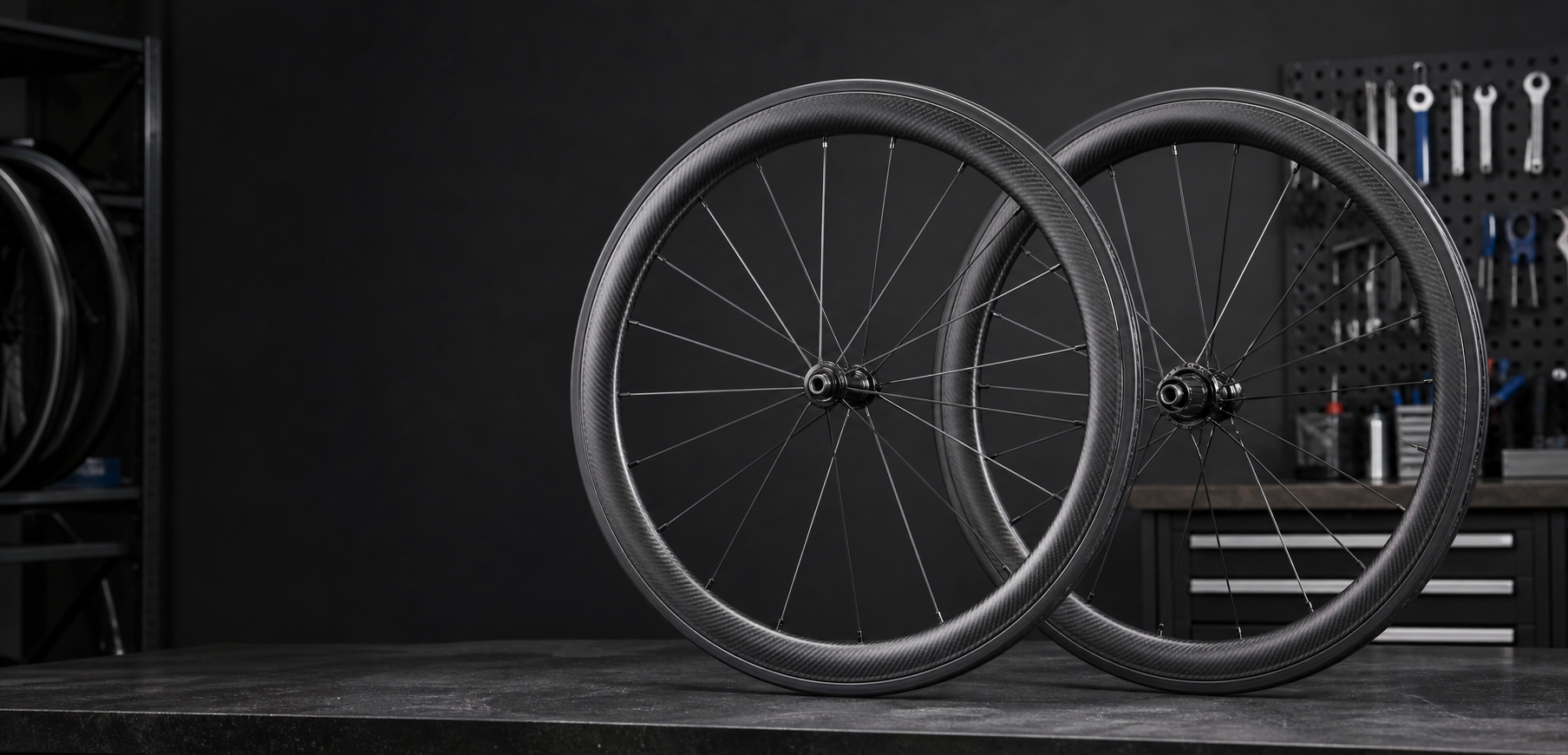
Carbon rim brake wheels can be good for climbing, but the honest answer depends on the wheelset, rider, bike, and route. A better-feeling wheelset can make a road bike feel more responsive when the road tilts up. It cannot replace fitness, gearing, tire choice, or pacing.
What climbing riders usually want
On climbs, riders tend to care about weight, response, and confidence. Weight gets the headline, but response matters too. A wheelset that feels direct when you stand up or accelerate out of a bend can make short climbs and rolling roads more enjoyable.
Carbon rim brake wheels are often chosen because they combine a sharper ride feel with a cleaner look. For riders keeping a rim brake bike in service, that can be a strong reason to upgrade. The bike may not become a new superbike, but it can feel fresher and more eager.
Where they can help
- Rolling climbs where the pace changes often.
- Short out-of-saddle efforts where a direct feel is noticeable.
- Mixed routes where you climb, descend, and ride flat roads in the same loop.
- Older bike refresh projects where wheels are the tired part of the build.
Keep expectations realistic
If your current wheels are already light and well built, the difference may be more about feel and appearance than a dramatic climbing transformation. If your gearing is too hard for local hills, wheels will not solve that. If your tires are slow or worn, tires may be the first upgrade to consider.
Braking also deserves respect. Rim brake carbon wheels should be used with the right pads and sensible descending habits. Long descents, wet weather, and heavy braking require attention. That does not rule out carbon wheels, but it should shape how you ride and what you choose.
For climbing, the best wheel upgrade is not the one with the loudest claims. It is the one that suits your bike, your roads, and your handling comfort.
Depth choice for climbing routes
Some riders assume a climbing wheel must be extremely shallow. In real riding, many people prefer a middle depth because it still looks fast, works on rolling terrain, and does not feel too specialized. If your route includes climbs, flats, town roads, and group rides, a balanced rim depth may be the better choice.
Before ordering, confirm that the wheelset matches your frame, cassette, and tire plan. Use the compatibility guide to avoid fit problems, or read the factory-direct guide if the buying model is new to you.
If your rim brake road bike still fits well and you want it to feel more alive on climbs, compare the current options at the shop. For a fit check, include your bike details through contact.
Climbing value is not only weight
Weight matters on climbs, but confidence matters on descents afterward. A moderate-depth carbon wheel can make an older bike feel livelier without making windy downhill sections stressful. For climbing routes, many riders are happier with a calmer depth than with the deepest rim available.
Tires and pressure also change the climbing feel. A good tire setup on a sensible wheelset often beats chasing a tiny weight difference while ignoring comfort and braking confidence.
