
Wheel Guides
38mm vs 50mm vs 88mm Carbon Wheels
Jun
Rim depth
Rim depth is one of the few wheel choices you can see from across the street, which is why many riders choose with their eyes first. That is understandable, but depth also affects handling feel, crosswind confidence, braking setup, and how often you will actually want to ride the wheels.
The quick comparison
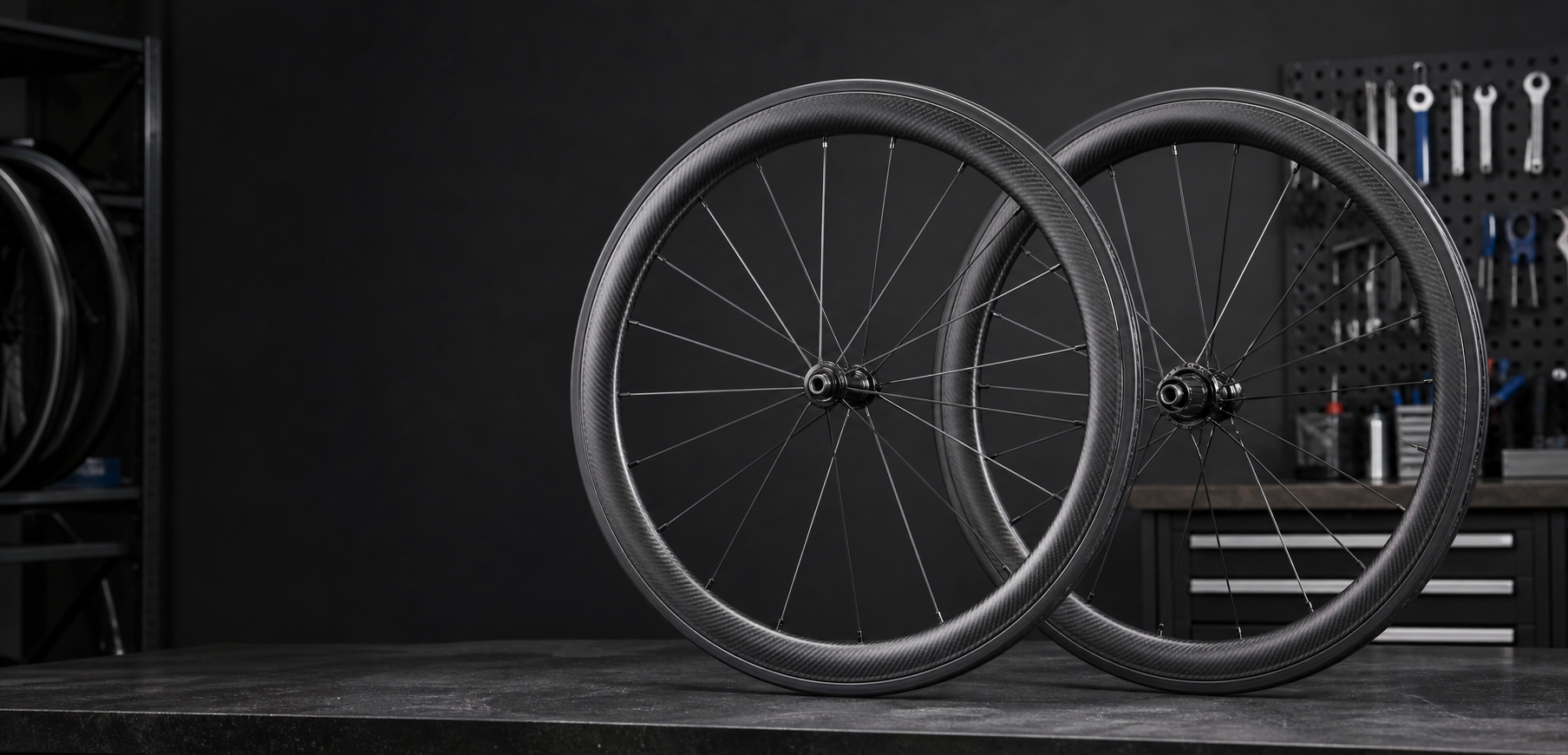
A 38mm rim is the easiest depth to recommend for mixed riding. It gives the bike a carbon look without making the wheel feel too specialized. A 50mm rim is the deeper all-road choice, with more visual presence and a stronger aero style. An 88mm rim is dramatic and specific. It can look fast standing still, but it asks more from the rider in wind and everyday conditions.
| 38mm | Best for mixed routes, first carbon upgrades, lighter handling, and riders who value control. |
|---|---|
| 50mm | Best for flatter roads, rolling terrain, stronger visual depth, and confident everyday riders. |
| 88mm | Best for a very deep look or specific riding goals, not the default for general road use. |
Why 38mm works for many rim brake bikes
Many rim brake road bikes are older frames, and older frames often benefit from moderation. A 38mm rim can make the bike look updated while keeping the handling familiar. It is also a reasonable choice if your routes include wind, rough pavement, hills, traffic, or frequent direction changes.
For a rider buying their first carbon rim brake wheelset, 38mm usually keeps the upgrade simple. You still need to check tire and brake clearance, but the rim depth itself does not push the bike toward a narrow use case.
Why 50mm is popular
50mm is popular because it looks like a clear upgrade. The bike gets a deeper carbon profile, the wheels have more visual weight, and the whole frame can look more modern. For riders on flatter or rolling roads, that deeper look is often exactly the point.
The tradeoff is that 50mm gives the wind more surface area to catch. Many riders are comfortable with that. Some are not. If you ride exposed roads, light crosswinds may not matter much, but gusty days can make the bike feel less calm than a shallower rim.
Why 88mm is not the normal answer
An 88mm rim is not wrong, but it is specific. It is chosen as much for style and a particular riding image as for normal road practicality. On a calm, flat route, very deep wheels can feel exciting. On a windy day, in traffic, or on technical roads, they can feel like more wheel than you need.
For rim brake bikes, there is another layer: braking confidence. Deep carbon rims still need suitable pads, clean tracks, and careful setup. If the bike is already a little nervous in the wind, choosing very deep wheels will not make it calmer.
Match depth to the bike, not only the rider
Some frames look balanced with 38mm wheels. Some look fantastic with 50mm wheels. A very deep rear wheel can look aggressive, but the bike must still be useful after the photos are taken. Think about the whole setup: frame style, tire size, brake calipers, rider weight, route, and the kind of rides you actually do.
If your frame has tight clearances, choose carefully. Rim depth itself is not the same as rim width, but many wheel choices bring several dimensions together. Confirm the details before ordering rather than assuming the deepest option is the best value.
My practical recommendation
If you are unsure, start with 38mm or 50mm. Choose 38mm if you want an easy daily upgrade. Choose 50mm if you want a more obvious carbon look and ride mostly open roads. Choose 88mm only if you already understand the handling tradeoffs and still want that very deep profile.
At the $299 price point, the smart purchase is not automatically the deepest wheel. The smart purchase is the wheelset you will ride often, install correctly, and feel confident using in normal conditions.
Not sure which depth fits your routes?
Send your bike model, tire size, and normal riding conditions before ordering.
