
Wheel Guides
299 USD vs 600 USD Carbon Wheelsets: What Changes?
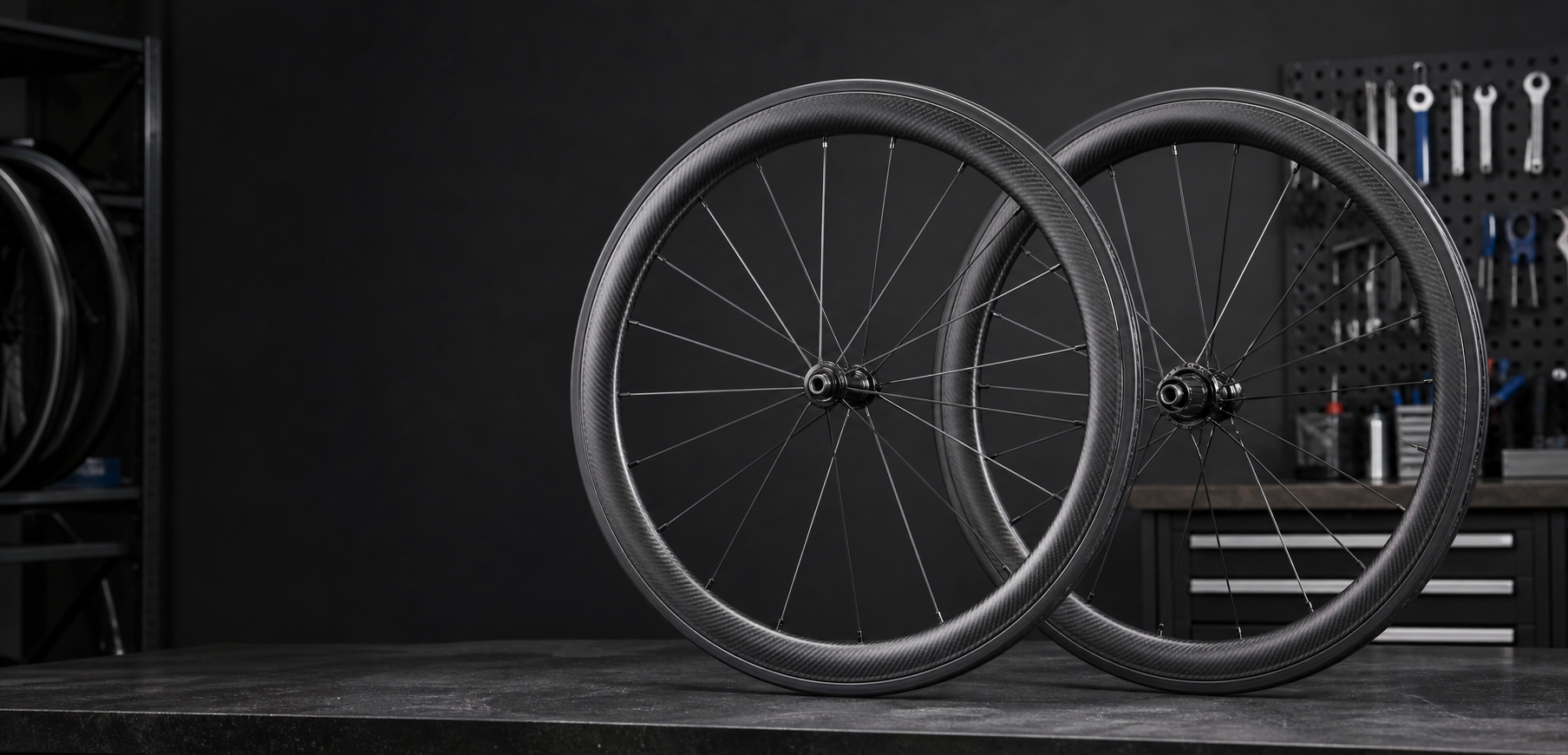
Jun
A 299 USD carbon wheelset and a 600 USD carbon wheelset should not be treated as identical, but the more expensive one is not automatically the smarter buy. Price only helps after you know what changed: hubs, spokes, finish, weight, support, brand margin, shipping model, or simply the way the product reaches you.
What extra money can buy
At a higher price, you may get lighter hubs, different bearings, name-brand spokes, more finish options, stronger packaging, local warehouse handling, extra accessories, or a more established retail support system. Those things can be real. If you race often, care about every gram, or want a very specific hub or spoke package, paying more may make sense.
Higher price can also include distribution layers. A wheel sold through more channels has more people involved before it reaches the rider. That does not make it bad. It just means the sticker price can reflect more than the physical rim in your hands.
What 299 USD is trying to solve
The 299 USD offer is aimed at a different buyer: someone with a rim brake road bike that still fits well, still rides well, and does not need a premium race wheel to feel exciting again. The value is direct and practical. You get a new carbon rim brake wheelset, free shipping, and a lower spend ceiling for a bike you may already own.
That positioning matters. A value wheel should not pretend to be the most exotic wheel in the market. It should be clear about what it is: an accessible carbon upgrade for riders who care about cost, appearance, and usable performance.
Where the difference may matter on the road
Some differences are easy to feel. A poor hub can feel rough. Bad tension can make a wheel go out of true. A brake track that does not match the pad can feel noisy or inconsistent. Those quality basics matter at any price. Other differences are more personal. A few grams, a premium decal, or a special finish may matter to one rider and mean very little to another.
| 299 USD wheelset | Best for value-focused upgrades, older rim brake road bikes, and riders avoiding premium-brand spend. |
|---|---|
| 600 USD wheelset | May offer upgraded hubs, spokes, finish choices, lower weight, or more retail support. |
| Wrong comparison | Price alone. Compare fit, braking setup, hub/freehub, included parts, and support path. |
Questions to ask before paying more
Ask what the extra 301 USD changes for your actual bike. Will it change your route, your confidence, your setup, or only the decal? Do you need a special hub, a local return path, or a lighter build? Or do you mostly want a clean carbon upgrade for dry weekend rides?
If the higher-price wheel solves a real problem, it may be worth it. If it mostly solves a feeling created by shopping, the 299 USD option may be the better use of money. That is especially true when the frame is older and the goal is to keep the bike enjoyable without overinvesting.
How to compare without getting lost
Make a short list: rim depth, tire compatibility, freehub type, brake pad requirement, rider weight guidance, shipping expectation, and support path. Ignore anything that does not affect your ride or ownership. The factory-direct guide explains our buying model, shipping covers order expectations, and the compatibility guide helps you avoid fit mistakes. When ready, compare current options in the shop.
FAQ
Are 299 USD carbon wheels too cheap to trust?
Low price deserves questions, not panic. Look at the use case, seller clarity, fit information, support path, and whether the product claims are realistic.
What is the most important upgrade in a 600 USD wheelset?
Often it is the hub, spoke package, finish consistency, weight target, or support structure. The exact answer depends on the brand and model.
Should I spend more if I race?
If racing is frequent and you care about weight, stiffness, hub choice, and service support, a higher-price wheel can be easier to justify.
Who is the 299 USD wheelset best for?
It fits riders who already like their rim brake road bike and want a visible, rideable carbon upgrade at a controlled cost.
