
Wheel Guides
How to Check Spokes on a New Wheelset
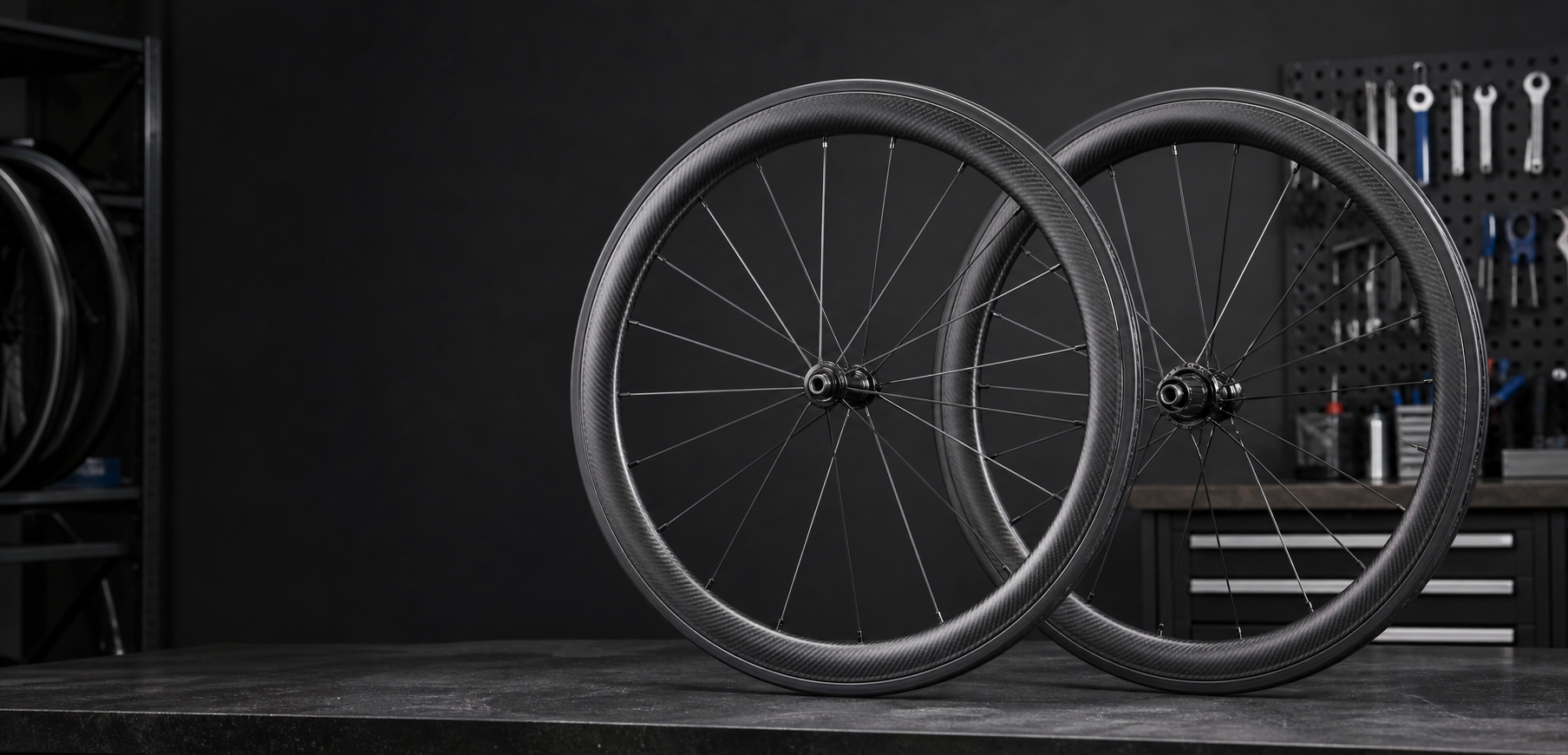
Jun
Spokes are easy to ignore until they make noise. On a new wheelset, a simple spoke check helps you catch obvious problems before the first ride. You are not trying to become a wheelbuilder in five minutes. You are looking for loose spokes, strange sounds, obvious wobble, or anything that should be checked by a mechanic.
Start with a gentle hand check
Squeeze pairs of spokes lightly around the wheel. They should not all feel exactly identical, but one spoke should not feel wildly loose compared with its neighbors. Do not twist nipples or try to tension the wheel by guessing. Hand checking is for finding obvious outliers, not tuning the wheel.
Spin the wheel and watch the rim
Install the wheel in the bike or a stand and spin it slowly. Use the brake pads as a reference point. A new wheel should spin reasonably true. If one section moves dramatically side to side or up and down, stop and inspect before riding.
Do the check with the tire mounted if you are preparing for a ride, but remember the tire can also wobble slightly on the rim. If something looks off, look at the rim edge and the tire bead separately instead of blaming the spokes immediately.
Listen for first-ride noises
A new wheel can make small settling noises, but repeated clicking, pinging, or rubbing should not be ignored. Sometimes the sound comes from spoke crossings, a loose magnet, valve nut, cassette, or quick release rather than the spoke tension itself. The point is to identify the source instead of riding through it.
Check after the first few rides
Do another quick spoke and trueness check after the first short rides. New wheels may settle slightly under load. If the wheel stays true and quiet, that is reassuring. If a spoke feels loose or the wheel starts rubbing, ask a mechanic to check tension rather than continuing until the problem grows.
This second check is especially useful after rough roads or a hard out-of-saddle effort. A wheel that is quiet in the workstand can reveal issues only when loaded by a real rider.
When to stop and ask
- One spoke feels obviously slack.
- The wheel rubs once per rotation.
- Clicking or pinging repeats under load.
- A nipple looks damaged or loose.
- The wheel goes out of true after very little riding.
If something looks wrong on arrival, take photos and use contact before riding. For broader first-ride checks, review the inspection guide.
FAQ
Should all spokes feel exactly the same?
No. Tension can vary by side and wheel position, especially on rear wheels. Look for obvious outliers.
Can I tighten a loose spoke myself?
Only if you know what you are doing. Guessing can make the wheel worse.
Is spoke noise always dangerous?
No, but repeated noise should be investigated. It may be settling, rubbing, or a loose part.
When should a mechanic check the wheel?
If the wheel rubs, spokes feel uneven, or noise continues after basic checks.
