
Wheel Guides
Should You Use Carbon Rim Brake Wheels for Commuting?
Jun
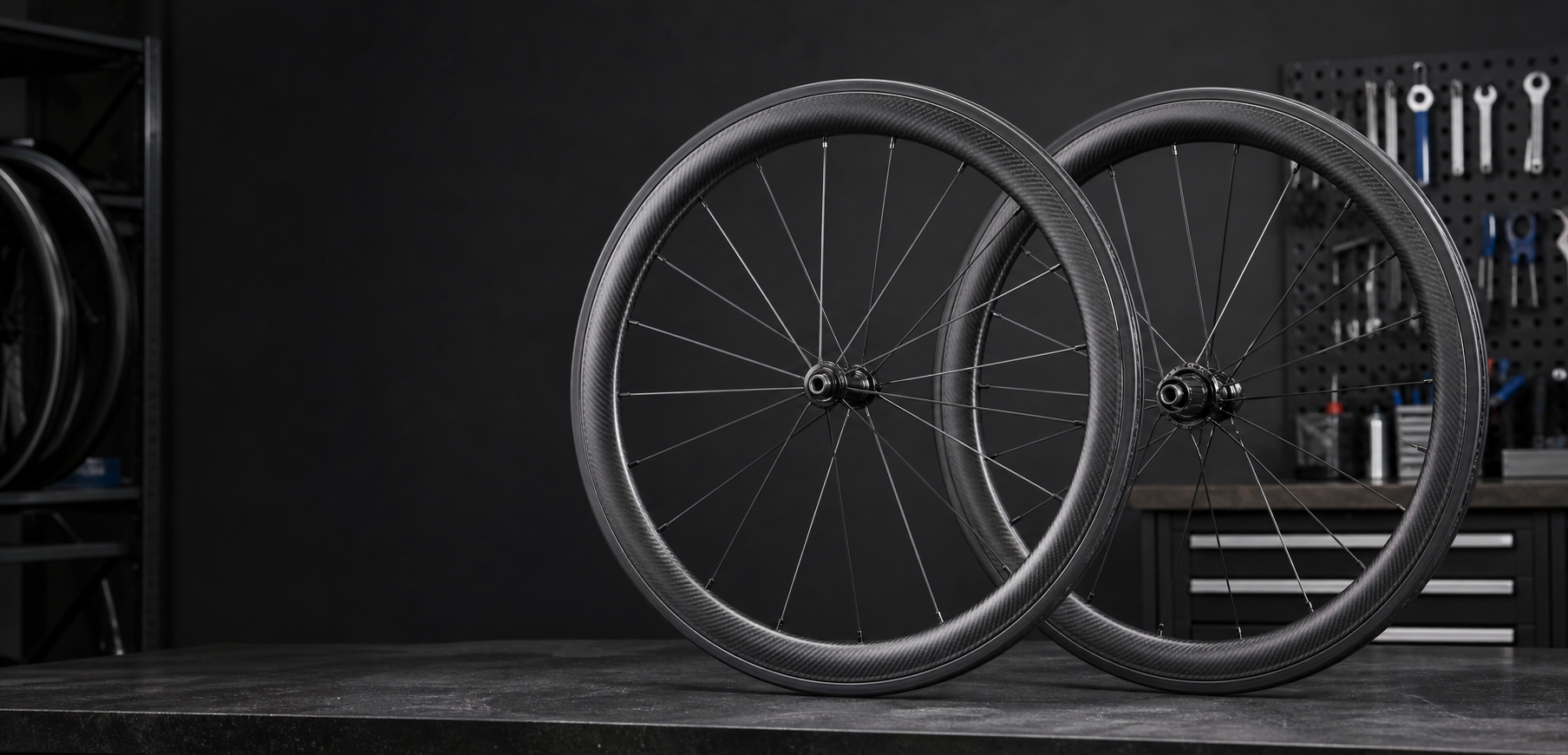
Carbon rim brake wheels can be used for some commuting, but they are not the obvious answer for every commuter. A short dry commute on smooth roads is very different from a wet city route with potholes, traffic stops, locked outdoor parking, and road grit. The wheel has to match the boring parts of the ride, not just the nice photo of the bike.
Where commuting is hard on wheels
Commuting usually means repetition. The bike sees the same dirty corners, drain covers, winter roads, and rushed stops again and again. Rim brake tracks collect grit. Pads wear faster in wet conditions. Potholes are harder to avoid in traffic. If the bike is locked outside, theft and accidental damage become real concerns.
The problem is not that carbon cannot handle ordinary riding. The problem is that commuting gives the wheel less control over its environment. You may ride tired, carry a bag, brake suddenly, or leave the bike where someone else can knock it. Those are different risks from a clean weekend ride.
When carbon can still make sense
If your commute is mostly dry, the route is smooth, the bike is stored safely, and you enjoy using the same road bike for weekday rides and weekend rides, carbon wheels can be reasonable. The setup needs proper carbon pads, clean brake tracks, and enough tire volume for the roads. The rider also needs to accept more inspection and cleaning than with a basic alloy commuter wheel.
When alloy is the better commuter choice
For wet weather, rough roads, heavy locks, curb hits, and outdoor storage, alloy wheels are often simpler. They are less emotionally painful to damage, easier to service locally, and more familiar under frequent dirty braking. There is no shame in using alloy wheels for the commute and saving carbon wheels for better rides.
A practical split
| Good carbon commute | Dry route, safe storage, clean roads, careful rider, regular maintenance. |
|---|---|
| Bad carbon commute | Wet grit, potholes, outdoor locking, heavy loads, constant emergency braking. |
| Best compromise | Use carbon for weekend rides and keep tougher wheels for harsh commuting. |
If you do commute on carbon
Clean the brake tracks often, inspect the rims after hard impacts, use correct pads, and avoid riding on damaged tires or loose spokes. Do not let the low 299 USD price make you careless. Value wheels still deserve proper use and maintenance.
Consider tire choice carefully. A slightly more durable tire can be smarter than the fastest lightweight tire for commuting. You want a setup that survives the route, not only one that feels quick for the first week.
If your commute is borderline, ask through contact before buying. For fit basics, start with the compatibility guide.
FAQ
Are carbon wheels too fragile for commuting?
Not automatically, but commuting exposes wheels to more dirt, impacts, weather, and theft risk than recreational riding.
Should I use carbon wheels in rain?
Use caution. Wet rim braking needs more distance, and dirty wet roads increase pad and brake track wear.
Can I commute on carbon during the week and ride weekends?
Yes if conditions are suitable, but many riders prefer alloy for commuting and carbon for nicer rides.
What maintenance matters most?
Clean brake tracks, inspect pads, check tires, and look for impact marks after rough rides.
