
Wheel Guides
How to Keep an Older Rim Brake Road Bike Useful
Jun
A rim brake road bike does not become useless because the market talks more about disc brakes. If the frame fits, the bike is safe, and the parts are maintained, an older rim brake bike can still be fast, light, simple, and enjoyable. The trick is upgrading the parts that change the ride instead of spending money everywhere.
Start with the frame and fit
No wheel upgrade can fix a bike that is the wrong size or has a damaged frame. Check the frame for cracks, corrosion around metal inserts, fork damage, and headset problems. Then think about fit. If the position feels comfortable and the bike still makes you want to ride, it is a good candidate for sensible upgrades.
Refresh the contact points
Old bar tape, tired saddles, worn cleats, and hard tires make a good bike feel worse than it is. Before replacing expensive parts, make sure the pieces you touch are in good condition. Fresh tires and properly adjusted brakes can make an old bike feel surprisingly sharp.
Small parts also change how much you trust the bike. A fresh brake cable, new pads, and clean housing can make descending and group riding feel calmer. That confidence is part of keeping an older bike useful.
Wheels change the bike quickly
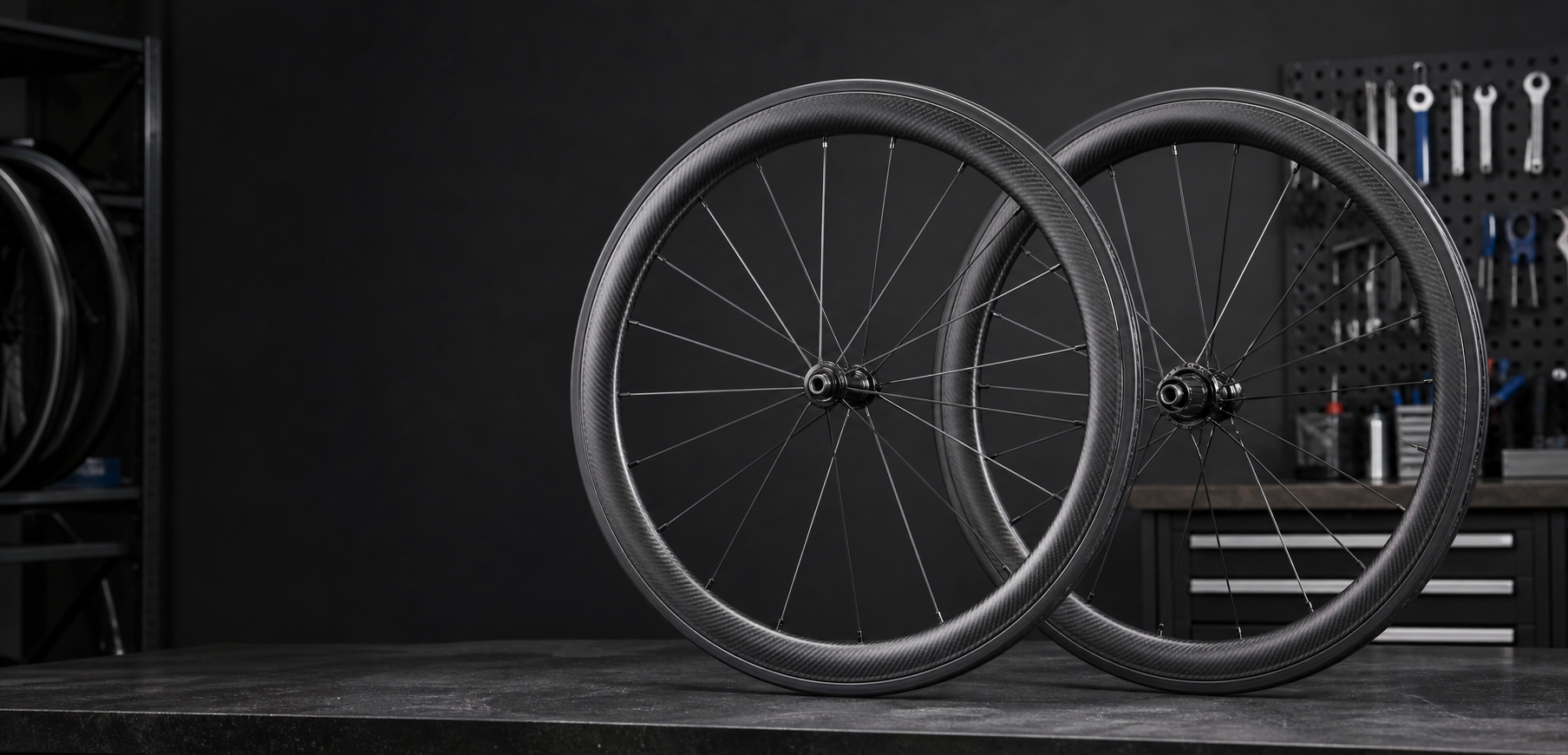
Wheels are one of the most visible upgrades on an older road bike. A carbon rim brake wheelset can make the bike look newer and feel more responsive without replacing the frame. That is why a 299 USD factory-direct wheelset makes sense for many riders: the spend stays controlled while the bike gets a real visual and ride update.
The wheel upgrade is especially satisfying when the old wheels are heavy, shallow, or visually dated. You still need proper brake pads and a fit check, but the bike can feel like it has another chapter left.
Do the boring maintenance too
- Replace worn brake pads with carbon-compatible pads if using carbon rims.
- Check chain and cassette wear before moving parts to new wheels.
- Inspect cables and housing if braking or shifting feels heavy.
- Make sure the headset, bottom bracket, and hubs feel smooth.
- Confirm tire clearance before choosing wider tires.
Know when not to overinvest
If the frame is damaged, the drivetrain needs a full replacement, and the wheels are only one of many problems, the bike may not deserve a large upgrade budget. But if the bike is fundamentally sound, wheels, tires, pads, and a tune-up can extend its useful life beautifully.
A good rule is to price the whole plan before buying the first part. If wheels, tires, cassette, chain, cables, and labor together cost more than the bike is worth to you, pause. If the frame is loved and the upgrades solve real problems, the spend can still make sense.
Use the compatibility guide before choosing wheels, then compare current options in the shop.
FAQ
Are rim brake bikes still worth riding?
Yes, if the bike fits, is safe, and suits your riding. Rim brakes are not obsolete for dry-road recreational use.
What upgrade makes the biggest difference?
Wheels and tires usually create the most noticeable change, followed by brake pads, cables, and contact points.
Should I upgrade an old bike or buy a new one?
If the frame fits and the drivetrain is healthy, upgrading can be sensible. If many major parts are worn out, compare the total cost carefully.
Can older frames fit modern carbon wheels?
Some can, some are tight. Check brake clearance, tire width, and freehub compatibility before ordering.
